

Huntsville, AL, January 7, 2026
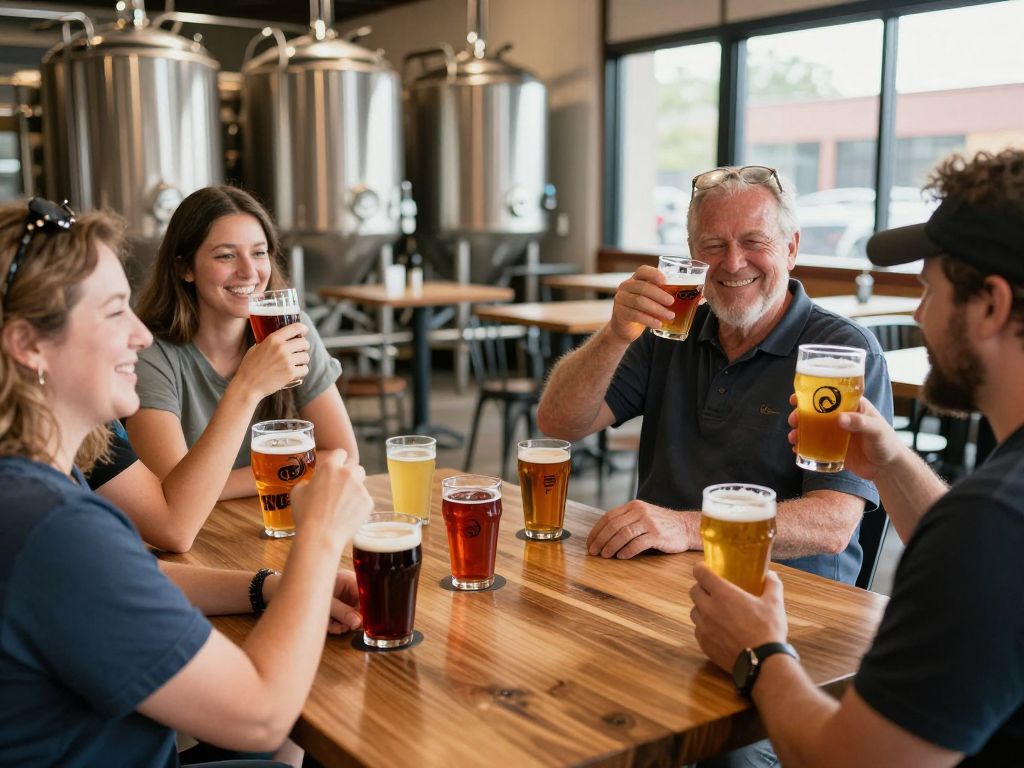
Alabama’s craft beer industry is facing significant adjustments due to evolving economic conditions and consumer preferences. While the past decade saw remarkable growth, recent closures of breweries such as Ghost Train and Hi-Wire highlight the industry’s ongoing challenges. National trends indicate a maturation in the craft beer market, with more closures than openings, prompting local entrepreneurs to adapt through innovative strategies. The resilience of Alabama’s brewers remains crucial for community engagement and statewide economic growth.
Alabama’s Craft Beer Sector Navigates Evolving Economic Currents
Huntsville, AL – Alabama’s craft brewing landscape, a vibrant testament to entrepreneurial spirit and local innovation, is currently undergoing a period of significant adjustment. While the industry has seen remarkable growth over the past decade, recent economic shifts and evolving consumer preferences have led to a re-evaluation of business models for many “Alabama AL entrepreneurs” in the sector. This dynamic environment highlights both the resilience required in small business ventures and the constant need for adaptability to foster continued “Huntsville economic growth” and statewide prosperity.
The craft beer industry across Alabama, like many other niche markets, faces a complex interplay of factors, including nationwide trends in consumer behavior and unique state-level regulatory considerations. Despite these challenges, the spirit of innovation among “Huntsville AL business” owners and their counterparts across the state remains strong, as many work to refine their strategies and reinforce their connection with local communities.
Recent Shifts in Alabama’s Craft Brewing Scene
The past eighteen months have seen several Alabama craft breweries navigate challenging waters, leading to some difficult decisions. In the Birmingham area, Ghost Train Brewing in Avondale ceased operations in July 2024 and subsequently filed for Chapter 7 bankruptcy, indicating a liquidation of assets to address debts. Another notable closure was Hi-Wire Brewing’s Lakeview taproom in Birmingham, which shut its doors in October 2024. This decision was primarily linked to the widespread impact of Hurricane Helene on its Asheville headquarters, distribution center, and production facilities. More recently, Oak Mountain Brewing Company in Shelby County announced in February 2025 that it would be closing for the foreseeable future, having originally opened in January 2021. These developments underscore the ongoing pressures faced by businesses in this specialized market.
Nationwide Headwinds and Market Maturation
Beyond specific local challenges, the craft beer industry is experiencing a broader “maturation” across the United States. For the first time in nearly two decades, the year 2024 saw more breweries close than open nationwide, with craft beer production experiencing a decrease of almost 4 percent. This trend continued into 2025, with the American craft beer sector ending the year with more closures than openings. Key contributing factors on a national level include increased competition, rising operational costs for ingredients like grain and hops, packaging materials, labor, and rent. Consumer habits are also evolving, with a noticeable shift in preferences toward other alcoholic beverages, non-alcoholic options, and even cannabis products, leading to a declining interest in traditional craft beer among some demographics. The lasting effects of the COVID-19 pandemic, including supply chain disruptions and inflationary pressures resulting from capital injections, continue to influence the viability of breweries, particularly those reliant on foot traffic and events.
Alabama’s Regulatory Framework and Entrepreneurial Adaptation
While national trends provide a backdrop, Alabama’s unique regulatory landscape presents its own set of considerations for “Alabama AL entrepreneurs.” State laws regarding beer distribution are often perceived as favoring wholesalers, limiting a brewer’s ability to terminate or modify distribution agreements. Breweries are also mandated to enter exclusive agreements to place products in various retail and hospitality venues. Furthermore, state regulations prohibit breweries from self-distributing their products and from holding a financial interest in a licensed wholesaler. Current law also restricts breweries to serving only alcohol produced on-site to their guests.
Historically, advocacy groups such as Free The Hops and the Alabama Brewers Guild have played a crucial role in modernizing state alcohol laws. Significant reforms, such as the 2009 Gourmet Beer Bill which increased alcohol by volume (ABV) limits, and the 2016 “beer to-go bill” that allowed breweries to sell up to 288 ounces of beer per customer per day for off-premise consumption, have provided crucial flexibility. The “beer to-go bill,” in particular, offered financial benefits and enabled brewers to experiment with smaller batches without the complexities of wide distribution. These changes demonstrate the positive impact of engaged community and industry efforts in fostering a more accommodating environment for “Huntsville small business” and statewide ventures.
Innovation and Resilience Pave the Way Forward
Despite the headwinds, the craft beer market nationwide continues to be a significant economic force, accounting for 13.2 percent of the U.S. beer market by volume in 2022 and 24 percent of retail dollar sales within the $115 billion U.S. beer market. The global craft beer market is projected to grow by USD 123.2 billion from 2025 to 2029. This ongoing demand underscores the potential for continued growth for resilient “Alabama AL entrepreneurs.”
Many surviving craft breweries are demonstrating remarkable adaptability. Strategies include scaling back extensive distribution efforts to concentrate on taproom sales, which foster direct customer engagement and community building. Diversifying product lines to include lagers, low-ABV options, and non-alcoholic beverages addresses changing consumer preferences. Emphasizing unique local ingredients and community-focused events also helps breweries maintain relevance and attract patronage. Companies like Back Forty Beer Company exemplify this resilience, having achieved significant growth, won awards, and expanded their reach across multiple states and internationally, demonstrating the substantial economic impact and job creation potential of successful “Alabama AL entrepreneurs.”
Supporting Huntsville’s Economic Future
The evolving landscape of Alabama’s craft beer industry reflects the broader entrepreneurial journey—one marked by innovation, adaptation, and the occasional challenge. While some businesses have faced closures, the fundamental spirit of creativity and local commitment among “Huntsville small business” owners and “Alabama AL entrepreneurs” endures. Supporting local breweries, engaging with their taproom offerings, and advocating for a regulatory environment that encourages growth and flexibility are vital steps. By remaining engaged and supportive, the community can help ensure that Alabama’s craft beer scene continues to be a vibrant contributor to “Huntsville economic growth” and a source of local pride.
Frequently Asked Questions (FAQ)
What Alabama craft breweries have closed in the last 18 months?
Several Alabama craft breweries have closed in the last 18 months, specifically between July 2024 and January 2026. These include Ghost Train Brewing in Avondale (closed July 2024), Hi-Wire Brewing’s Lakeview taproom in Birmingham (closed October 2024), and Oak Mountain Brewing Company in Shelby County (announced closure February 2025).
What are the national reasons for craft brewery closures?
Nationally, reasons for craft brewery closures include decreased craft beer popularity, less disposable income, market saturation, overzealous expansions, increased costs for ingredients, packaging, labor, and rent, changing consumer habits (shift to spirits, non-alcoholic options, cannabis products), declining interest in drinking alcohol, and lingering impacts of COVID-19 such as supply chain issues and inflation.
What are Alabama-specific challenges for craft breweries?
Alabama-specific challenges for craft breweries include state beer distribution regulations that favor wholesalers, limitations on a brewer’s ability to terminate or amend distribution agreements, requirements for exclusive agreements to place products, prohibitions on self-distribution and financial interest in licensed wholesalers, and laws allowing breweries to serve only alcohol produced on-site to guests.
How are Alabama craft breweries adapting to market changes?
Alabama craft breweries are adapting by scaling back distribution to prioritize taproom sales, diversifying product offerings to include lagers, low-ABV beers, and non-alcoholic options, and focusing on community events. This strategic pivot helps maintain direct customer engagement and explores new market segments.
What is the overall economic impact of the craft beer industry in Alabama?
As of 2014, the craft beer industry was responsible for 2,450 jobs and a $235 million economic impact in Alabama. Nationwide, the craft beer market accounted for 13.2 percent of the U.S. beer market by volume in 2022 and 24 percent of retail dollar sales in the $115 billion U.S. beer market.
Key Features of the Alabama Craft Beer Landscape
| Feature | Description | Scope |
|---|---|---|
| Recent Closures (July 2024 – Jan 2026) | Ghost Train Brewing (July 2024), Hi-Wire Brewing Lakeview (October 2024), Oak Mountain Brewing Company (Feb 2025 announcement). | State-level |
| National Industry Trend | More breweries closed than opened in the U.S. in 2024, with production falling by almost 4%. The sector also ended 2025 with more closures than openings. | Nationwide |
| Key National Challenges | Increased costs, market saturation, evolving consumer preferences (e.g., non-alcoholic options, spirits, cannabis products), and post-COVID-19 impacts. | Nationwide |
| Alabama Regulatory Hurdles | Distribution agreements favor wholesalers; prohibitions on self-distribution and financial interest in wholesalers; restrictions on serving only on-site produced alcohol. | State-level |
| Industry Adaptation Strategies | Prioritizing taprooms, diversifying product lines (lagers, low-ABV, non-alcoholic beers), and enhancing community engagement. | State-level & Nationwide |
| Economic Contribution (Alabama) | Responsible for 2,450 jobs and a $235 million economic impact as of 2014. | State-level |
| Global Market Growth | Projected to grow by USD 123.2 billion from 2025-2029. | Nationwide |
Deeper Dive: News & Info About This Topic
HERE Resources
Alabama Brewery’s Evolution: A Testament to Entrepreneurial Resilience
Complete Guide to festivals Huntsville 2025: Dates, Family-Friendly Events, Tickets & Weekend Itineraries
Huntsville Welcomes Fall Coffee Menus
Huntsville International Airport Expands Dining Options
Huntsville’s Unique Blend of Coffee and Beer Venues
Cinemark Unveils D-Box Technology in Huntsville Theater
Huntsville Welcomes New Wine Bars and a Micro-Winery
Huntsville Welcomes Scenic Outdoor Dining Options This Fall
Top Burger Joints to Try in Huntsville
Increasing Black Bear Sightings in Huntsville Neighborhoods

Author: STAFF HERE HUNTSVILLE WRITER
The HUNTSVILLE STAFF WRITER represents the experienced team at HEREHuntsville.com, your go-to source for actionable local news and information in Huntsville, Madison County, and beyond. Specializing in "news you can use," we cover essential topics like product reviews for personal and business needs, local business directories, politics, real estate trends, neighborhood insights, and state news affecting the area—with deep expertise drawn from years of dedicated reporting and strong community input, including local press releases and business updates. We deliver top reporting on high-value events such as Panoply Arts Festival, Rocket City Brewfest, and Huntsville Comic & Pop Culture Expo. Our coverage extends to key organizations like the Huntsville/Madison County Chamber of Commerce and HudsonAlpha Institute for Biotechnology, plus leading businesses in aerospace, defense, and manufacturing that power the local economy such as Boeing, SAIC, and Mazda Toyota Manufacturing. As part of the broader HERE network, including HEREBirmingham.com, we provide comprehensive, credible insights into Alabama's dynamic landscape.